WASHINGTON, D.C. — In an extraordinary diplomatic escalation, U.S. President Donald Trump has issued a blunt military threat against Oman, a long-standing American ally in the Middle East. Trump warned that the United States would “blow them up” if the Gulf nation cooperates with Iran to assert joint control or collect tolls on shipping vessels transiting the strategic Strait of Hormuz.
An Offhand Threat During a Cabinet Meeting
The controversy erupted during a White House cabinet meeting on Wednesday, May 27, 2026, as reporters questioned the president on whether he would accept a short-term diplomatic compromise regarding the blockaded waterway.
When asked directly if he would endorse a temporary deal allowing Iran and Oman to oversee and manage trade through the strait, Trump rejected the premise entirely.
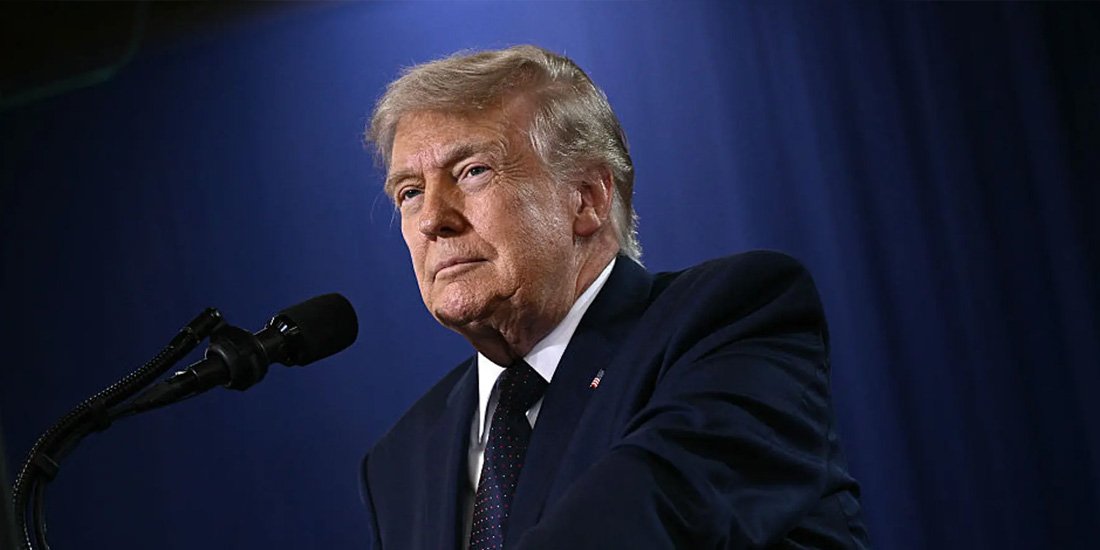
“No, the strait is going to be open to everybody,” Trump declared. “It’s international waters and Oman will behave just like everybody else or we’ll have to blow them up. They understand that, they’ll be fine.”
The statement sent immediate shockwaves through diplomatic circles, prompting speculation over whether the 79-year-old president had simply misspoken and intended to target Iran instead of Oman. However, the U.S. State Department later published an official video clip and transcript of the remarks without any corrections, omissions, or clarifying statements, implicitly standing by the president’s wording.
The rhetorical slip mirrored another moment earlier in the same meeting, where Trump appeared to confuse Iran with Venezuela. Referring to the South American nation—whose leader Nicolás Maduro was deposed by U.S. forces in January—Trump remarked that the country “no longer has a navy, no longer has an air force,” a phrase he has routinely deployed when describing the current state of Iran following the U.S. and Israeli military strikes launched on February 28.
The Strait of Hormuz Impasse
The fierce rhetoric underscores mounting frustration within the White House as high-stakes negotiations to end the U.S.-Israel war with Iran appear to have stalled yet again, just days after Trump publicly announced that a comprehensive memorandum of understanding was near.
The Strait of Hormuz is the world’s most critical oil transit chokepoint, normally carrying roughly 20 percent of global petroleum supplies. It has been heavily blockaded by Iran since late February, triggering a severe global energy crisis and shaking international markets.
As part of the ongoing peace negotiations, Tehran has reportedly pushed to establish a new regulatory framework over the waterway. Backed by regional intelligence, reports indicate Iran has been attempting to persuade Oman to co-sign a mechanism that would impose commercial tolls on passing maritime traffic, with the two nations splitting the generated revenues.
Because the strait narrows to just 21 nautical miles, the territorial waters of Iran and Oman overlap, making Muscat’s cooperation legally and logistically vital to any shipping regime. Trump, however, firmly drew a red line, insisting that no deal would allow any sovereign entity to control the international corridor.
A Historic Partnership Under Strain
The threat of military force marks a stunning shift in tone toward Oman, a historic and strategically vital U.S. partner with bilateral diplomatic ties spanning over two centuries.
Muscat has long maintained a strictly neutral foreign policy in the region, frequently acting as a trusted backchannel mediator between Western powers and Tehran. Furthermore, Oman has itself faced security threats and attacks from Iranian forces over the course of the regional conflict.
While Omani officials have not publicly indicated any desire to join Iran in seizing control of the shipping lanes, regional analysts note that the Trump administration has harbored growing dissatisfaction with Muscat’s diplomatic maneuvering amidst the wider war. Neither the Omani government nor the White House press office has issued further comment on the matter.