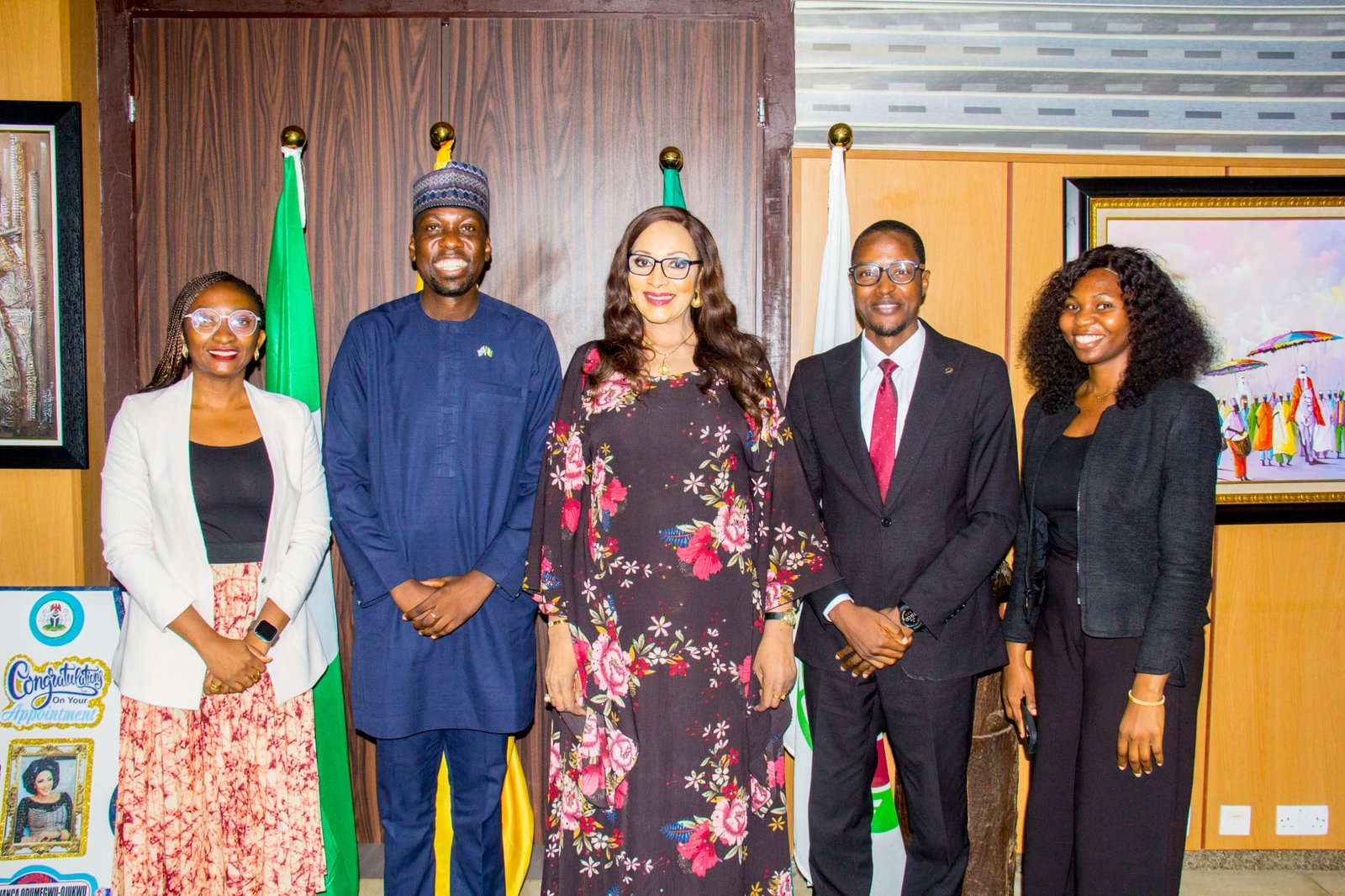
The World Intellectual Property Organization will inaugurate its first and only office in Sub-Saharan Africa in Abuja on June 1, 2026, when WIPO Director-General Daren Tang arrives Nigeria for a three-day working visit, marking what diplomats and economists are describing as a significant moment for the protection of Nigerian creativity and the monetization of the country’s cultural output.
Nigeria’s minister of foreign affairs said the federal government was fully committed to strengthening intellectual property protection and creating structured opportunities for Nigerian innovators, creators, and entrepreneurs to benefit economically from their work. She said the country’s booming creative sector, spanning music, film, fashion, publishing, technology, and digital content, had to begin deriving greater economic value from its global cultural influence, and that the WIPO office would be a critical instrument in that effort.
The Abuja office has already played a role in the digitalization of Nigeria’s trademarks and patents registry through the Industrial Property Automation System, an initiative designed to improve transparency, reduce processing delays, and strengthen investor confidence in the country’s intellectual property environment.
The federal government said it was also seeking expanded collaboration with WIPO on technical assistance, youth empowerment, and the commercialization of Nigeria’s cultural assets. Officials noted that Nigerian creators and innovators had long been limited by weak intellectual property structures, inadequate legal protection, and limited awareness of the protections available to them. The WIPO presence in Abuja was expected to change that by providing direct access to the organization’s global frameworks and programs.
WIPO under Tang’s leadership had shifted the organization toward a more inclusive model designed to support micro, small, and medium enterprises, women, and young innovators. The organization was also adapting its frameworks to address emerging technologies including generative artificial intelligence, seeking to ensure that technological advancement did not erode the economic rights of human creators.