The Federal Airports Authority of Nigeria has urged international airlines operating in the country to raise the quality of their protocol services and improve the pre-boarding experience for passengers, while the Nigeria Civil Aviation Authority separately placed 11 domestic airlines on a payment enforcement list that withholds agency services until outstanding financial obligations are cleared.
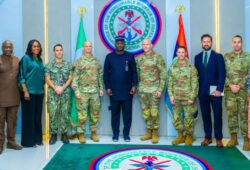
FAAN’s director of public affairs and consumer protection met with members of the International Airlines Association of Nigeria at the Murtala Muhammed International Airport in Lagos, where discussions covered operational concerns including inadequate construction signage on the landside, insufficient lifts, shuttle bus challenges, and airside ramp marking issues linked to ongoing construction activities. The airlines also sought greater support to improve the overall customer experience. FAAN said all complaints raised would be reviewed with a view to improving service delivery and operational standards across its airports.
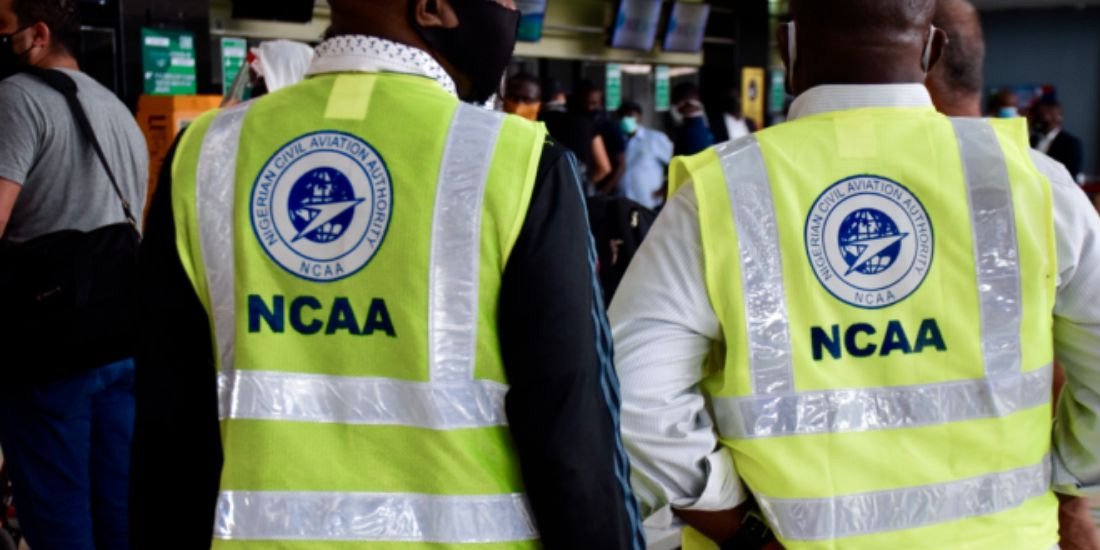
Separately, a directive dated May 22, 2026, signed by the NCAA director of finance and accounts, instructed all agency directorates to withhold services from 11 domestic operators pending financial clearance. The airlines named in the directive were Air Peace, Ibom Air, Arik Air, United Nigeria Airlines, Umza Air, NG Eagle, Max Air, Caverton Helicopters, Overland Airways, Rano Air, and ValueJet.
The move drew a sharp response from the managing director of Aero Contractors, who told THISDAY that withdrawing safety-critical services from airlines was the wrong instrument for debt recovery by a regulatory body. He argued that the services NCAA provided, including safety oversight, airworthiness approvals, and accident response, were prerequisites for aircraft operation, and that denying them would prevent airlines from operating and therefore from generating the revenue needed to settle their debts. He said the directive also risked sending a damaging signal to the international aviation community about the airworthiness of Nigerian carriers. He called on NCAA to clarify precisely which services were being withdrawn and to explore other enforcement mechanisms that did not put flight safety at risk.
He described the broader problem as systemic, arguing that the aviation industry was overtaxed and that the model of funding regulatory agencies through airline charges was structurally unsustainable regardless of how the Nigerian economy performed.