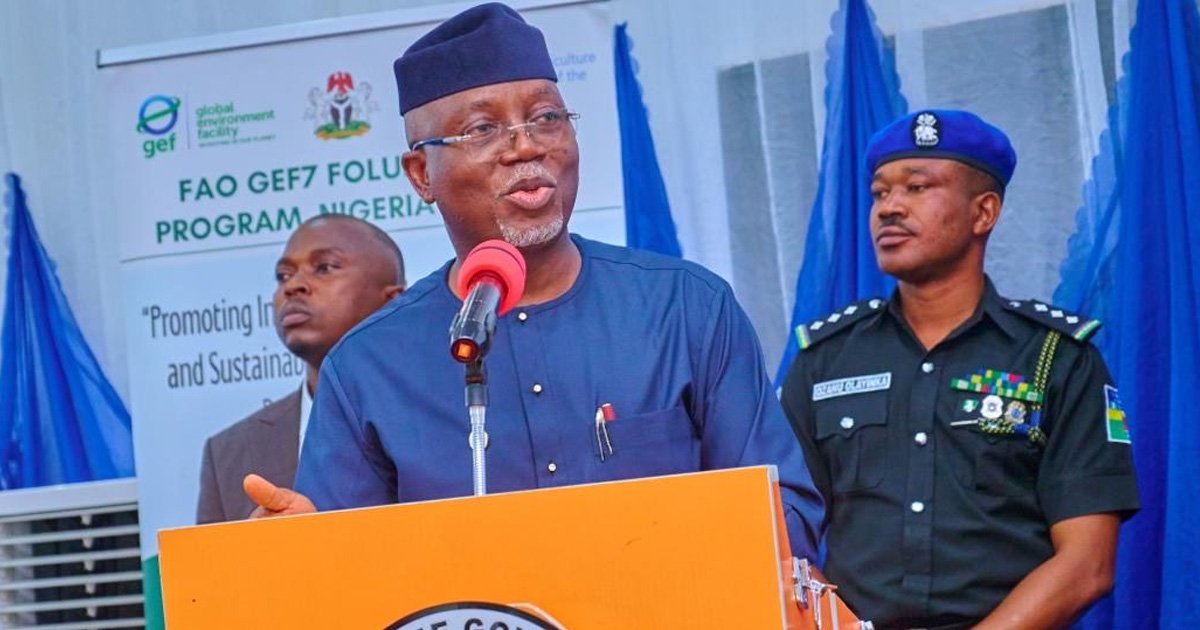
The Governor of Ondo State, Lucky Orimisan Aiyedatiwa has announced a renewed drive to position Ondo State as a key player in the global cocoa export market through the adoption of sustainable, deforestation-free agricultural practices.
Speaking at the 2nd FAO Participatory Informed Learning Approach Multi-Stakeholders Workshop held in Akure, the governor said the state has inaugurated a Strategic Committee to ensure compliance with the European Union Deforestation-Free Regulation, aimed at aligning cocoa production with international environmental standards.
He disclosed that about 14,000 cocoa and oil palm farmers across eight local government areas have already been enrolled under the FAO-backed GEF-7 Food Systems, Land Use and Restoration Impact Programme, designed to promote sustainable agriculture and environmental restoration.
Governor Aiyedatiwa also revealed that the state has established a forest management committee to monitor forest activities and protect natural resources. He added that a Geographic Information System (GIS) laboratory, provided through the programme, is already supporting improved geospatial mapping and forest management operations.
According to him, the initiative is driving agroforestry development, restoration of degraded forest reserves, climate-smart agriculture training, cocoa traceability systems, polygon mapping, and modern land management practices to help farmers access premium international markets.
The FAO National Coordinator, Nifesmi Ogunkua, emphasized that sustainable cocoa production without traceability and certification would limit access to global markets, noting that Ondo State has the potential to become a leading model for climate-resilient cocoa production in Nigeria.
Commissioner for Agriculture and Forestry, Leye Akinola, said the workshop was designed to strengthen institutional collaboration and develop practical solutions for sustainable land use, environmental governance, and resilient agricultural systems.
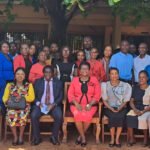
The event brought together top government officials, traditional rulers, development partners, researchers, farmers’ associations, and private sector stakeholders across the cocoa and oil palm value chains.