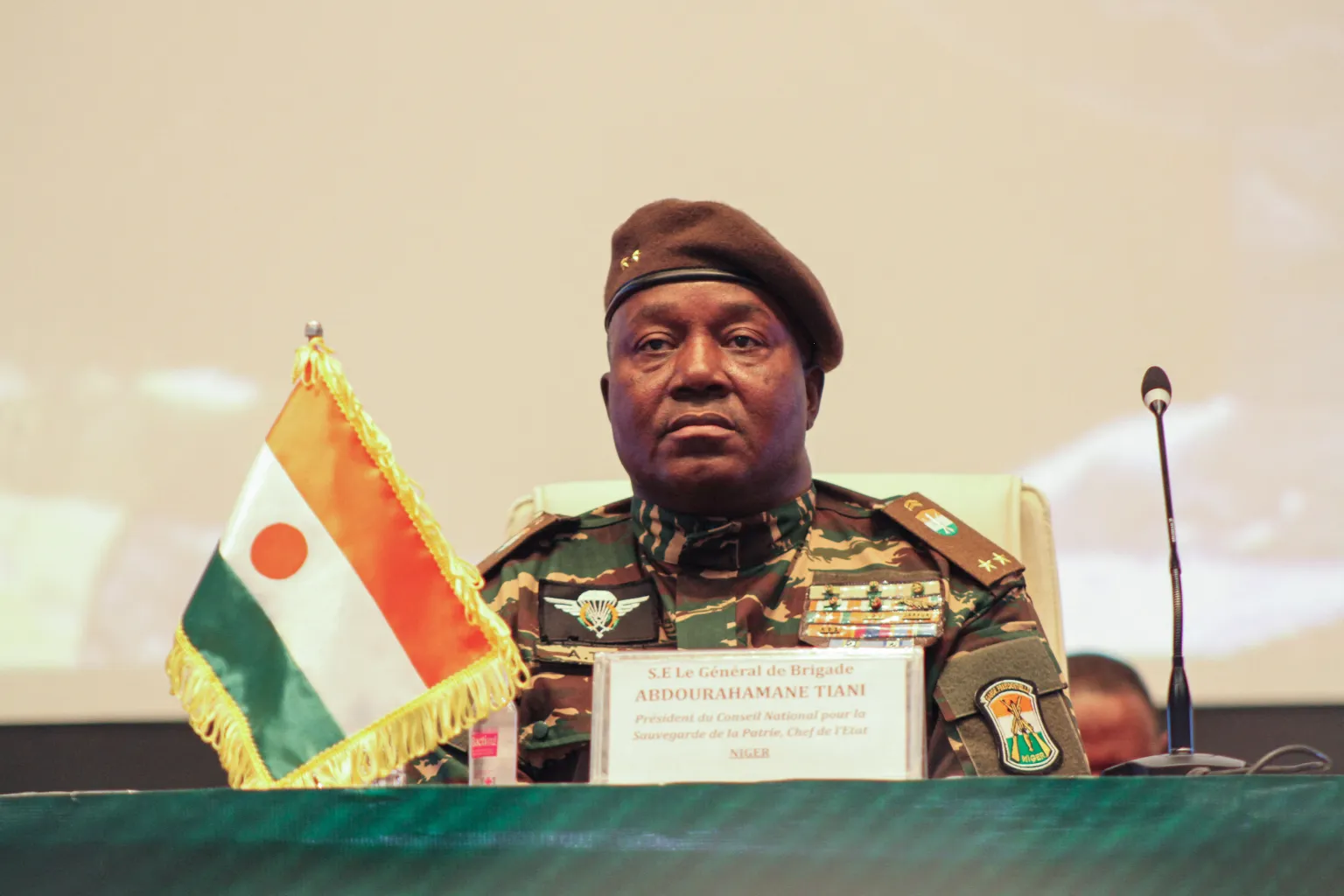
The military-led government in Niger has suspended nine French media organisations, accusing them of broadcasting content capable of undermining public order and national stability.
The announcement was made on Friday in a statement aired on state television, where authorities said the affected outlets had repeatedly disseminated material considered harmful to national unity, social cohesion, and state institutions.
The suspended organisations include France 24, Radio France Internationale, Agence France-Presse, TV5Monde, Jeune Afrique, TF1 Info, Mediapart, France Afrique Media, and LSI Africa.
According to the junta, the suspension takes immediate effect and covers satellite services, cable networks, digital platforms, websites, and mobile applications linked to the media organisations.
The latest move further deepens tensions between Niger’s military rulers and France following the July 2023 coup that ousted the civilian government.
Shortly after seizing power, the junta suspended France 24 and Radio France Internationale, accusing them of biased reporting. In December 2024, authorities also suspended the BBC.
Neighbouring Burkina Faso and Mali , both governed by military juntas and allied with Niger under the Alliance of Sahel States (AES) have similarly imposed restrictions on French media operations.
Earlier this week, Burkina Faso banned the broadcast of TV5Monde, while Mali has also cracked down on several foreign media organisations amid worsening security challenges.
The suspension comes days before a major France-Africa summit scheduled to hold in Kenya, which the three AES member states are not expected to attend.
Observers say anti-French sentiment has intensified across parts of West Africa in recent years, as Russia and China expand their diplomatic and security influence on the continent.
Press freedom concerns have also grown under Niger’s military government. Several journalists have reportedly faced arrests and detentions over alleged offences linked to national security.
According to the United Nations, at least 13 journalists were arrested in Niger in 2025, while local media groups say six journalists remain in detention on charges including undermining national defence and plotting against the state.
This week, two detained journalists, Gazali Abdou, a correspondent for Deutsche Welle, and newspaper editor Hassane Zada were released after spending months in custody.
In its 2026 press freedom index, Reporters Without Borders ranked Niger 120th out of 180 countries, marking a sharp decline in media freedom.
Rights organisations, including Amnesty International, have repeatedly raised concerns over restrictions on free expression and the shrinking civic space in the country.
The junta had earlier introduced a law criminalising the online dissemination of information deemed capable of disturbing public order, while also suspending thousands of local and foreign NGOs accused of lacking transparency or allegedly supporting armed groups.