The African Democratic Congress has suffered a catastrophic collapse of its national political standing in a single devastating week, losing its two most prominent figures, Peter Obi and Rabiu Musa Kwankwaso, to the Nigeria Democratic Congress, followed immediately by the defection of 16 of its federal lawmakers to the same party, while a 17th member, Leke Abejide, separately crossed to the ruling All Progressives Congress, leaving the ADC a shell of the opposition force it had sought to become.
The week’s events, which unfolded in rapid and overlapping succession, represent the most comprehensive single-period collapse of a Nigerian opposition party’s legislative and political infrastructure in recent electoral history, and have fundamentally redrawn the map of opposition politics ahead of the 2027 general elections.
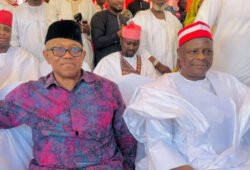
The cascade began when Obi, the Labour Party’s 2023 presidential candidate whose Obidient movement generated the most intense opposition electoral energy seen in Nigeria in a generation, and Kwankwaso, the former Kano governor and NNPP presidential candidate whose Kwankwasiyya movement commands formidable grassroots loyalty across the North-West, formalized their defection to the NDC. Both had joined the ADC at different points in the preceding months as part of an attempt to build a unified opposition platform capable of mounting a credible challenge to the APC in 2027. Their departure from the ADC was decisive and, according to sources close to the negotiations, came after a conclusion that the party’s escalating internal crisis made it an untenable vehicle for the kind of disciplined national campaign they intended to build.
Their arrival at the NDC, led by national leader Senator Seriake Dickson, was accompanied by the immediate assignment of strategic responsibilities. Kwankwaso was given oversight of the party’s northern expansion strategy while Obi’s mobilisation network was integrated into the NDC’s national organizational framework, combining in a single structure two of the most distinct and complementary voter bases that any Nigerian opposition alliance had assembled since the merger that produced the APC ahead of 2015.
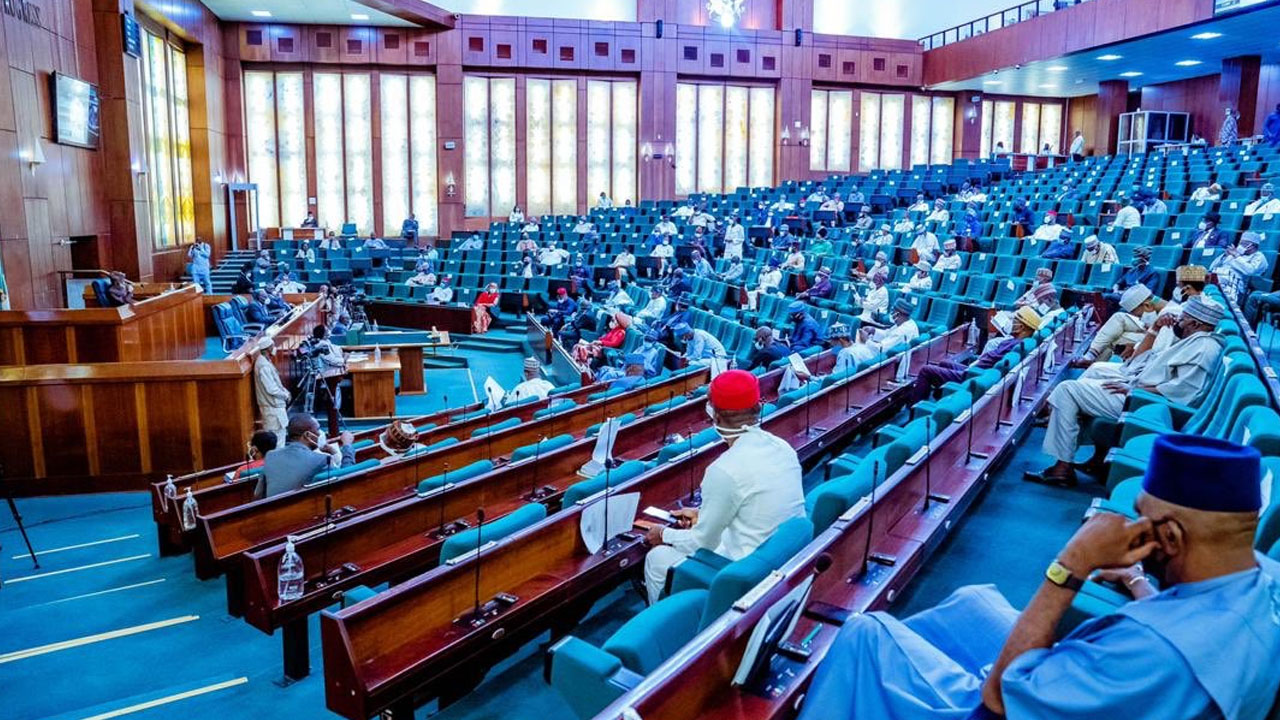
The legislative dimension of the exodus came days later when 16 ADC members of the House of Representatives announced their defection to the NDC during plenary, citing the same unresolved internal disputes that had driven the senior figures out. The 16 lawmakers are Yusuf Datti, Uchenna Okonkwo, Adamu Wakili, Thaddeus Attah, George Ozodinobi, Lilian Orogbu, Oluwaseyi Sowunmi, Peter Aniekwe, Mukhtar Zakari, George Oluwande, Munachim Umezuruike, Emeka Idu, Jesse Onuakalusi, Ifeanyi Uzokwe, Afam Ogene, and Murphy Omoruyi.
In the same plenary session, Abejide, who represents the Yagba Federal Constituency of Kogi State and who had previously made headlines by publicly accusing ADC leaders of hijacking a party he built and funded, announced his own departure from the ADC, though his destination was the APC rather than the NDC, making him the seventh member to leave the ADC in the latest round of political movement.
The combined effect of these departures on the ADC is devastating and, many analysts believe, potentially irreversible. A party that had been positioning itself as the vehicle of opposition consolidation has instead become the source of opposition fragmentation, hemorrhaging its most recognizable names, most experienced legislators, and most credible electoral assets within the space of days. The party’s leadership crisis, which drew in competing factions, courtroom battles, and conflicting INEC recognitions, provided the fuel for a fire that ultimately consumed the very platform it was meant to be fought over.
For the NDC, the scale of what has been accomplished in a remarkably short period is without recent precedent in Nigerian opposition politics. The party now possesses a growing caucus of federal lawmakers in the House of Representatives, the combined mobilisation networks of Obi and Kwankwaso spanning the South-East, urban centres nationwide, and the politically decisive states of the North-West, a national leader in Dickson with gubernatorial governing experience, and a rapidly expanding state-level membership base that has been receiving senior political figures at every level of government across multiple geopolitical zones.
Political observers noted that while the NDC had assembled extraordinary political capital through these defections, the translation of that capital into actual electoral success in 2027 remained contingent on factors that no announcement could resolve. The party would need to build functional ward-level structures across all 36 states and the Federal Capital Territory, manage the inevitable tensions between the distinct political organizations of Obi and Kwankwaso, navigate the unresolved question of presidential candidacy through a transparent process that both major figures and their supporters could accept, and sustain the momentum of the current moment across an electoral cycle that would test every dimension of its organizational maturity.
For the APC, Abejide’s entry into its ranks offered a more modest but symbolically useful gain, expanding its reach in Kogi State’s political landscape and reinforcing the ruling party’s capacity to attract figures who concluded that the opposition’s internal disorder made the governing establishment a more stable political environment regardless of their policy disagreements with it.
Attention now turns to whether the ADC can halt the hemorrhage before it loses whatever remaining organizational credibility it possesses, and whether the NDC can convert the extraordinary political energy of this moment into the institutional depth required to mount what would need to be a comprehensive, disciplined, and nationally competitive campaign in 2027.