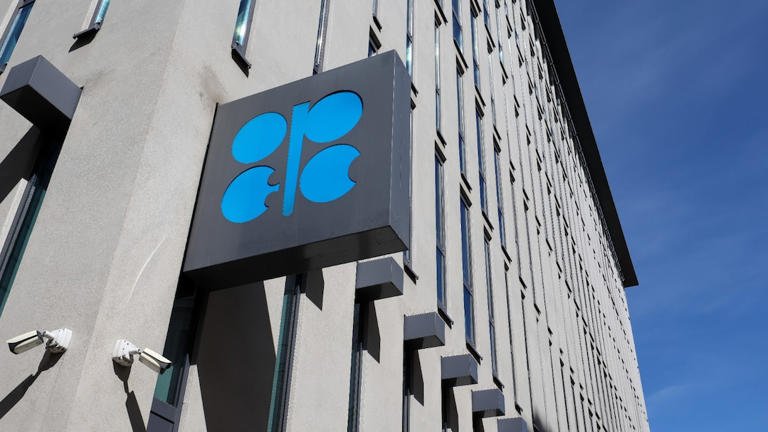
The Organization of Petroleum Exporting Countries and its allies have agreed to raise oil production by 188,000 barrels per day for June, pressing ahead with output increases at the first group meeting held since the United Arab Emirates formally departed the alliance on May 1, even as fresh diplomatic signals from Iran sent oil prices retreating from recent highs.
The production increase, slightly below May’s hike of 206,000 barrels per day, was agreed upon by seven participating countries: Saudi Arabia, Russia, Iraq, Kuwait, Kazakhstan, Algeria, and Oman. The June figure excludes the UAE’s share of output following its departure. Nigeria, which holds a quota of 1.5 million barrels per day, has for an extended period been unable to meet its allocated production level.
“In their collective commitment to support oil market stability, the seven participating countries decided to implement a production adjustment of 188,000 barrels per day from the additional voluntary adjustments announced in April 2023,” OPEC said in its formal statement. The group’s next ministerial meeting was set for June 7.
Oil prices fell at the weekend after Iran transmitted an updated peace proposal to mediators in Pakistan, raising renewed hopes that a negotiated settlement with the United States remained within reach. US crude futures declined three percent to close at $101.94 per barrel, while Brent crude lost nearly two percent to settle at $108.17. Despite the pullback, both benchmarks remained approximately 78 percent higher since the start of 2026.
President Donald Trump said on Saturday that he had received information about the broad concept of a deal with Iran but was awaiting the exact wording, while maintaining that the possibility of resuming military strikes remained open if Tehran failed to comply. A senior Iranian official told Reuters that Tehran’s proposal would reopen the Strait of Hormuz and end the US naval blockade while deferring negotiations on Iran’s nuclear programme to a later stage.
Global oil supply has been severely constrained since the Iran war began on February 28, with the Strait of Hormuz, through which roughly a fifth of the world’s oil and gas normally passes, remaining effectively closed to commercial shipping throughout the conflict.
Credit rating agency Fitch said the UAE’s exit from OPEC would have no immediate impact on the Gulf state’s credit metrics, though it acknowledged the departure could boost the country’s oil revenues over the longer term once the Strait of Hormuz fully reopened, as the UAE would no longer be bound by OPEC production ceilings. Paul Gamble, Fitch’s head of Middle East sovereign ratings, said the exit would help the UAE’s sovereign balance sheet but was unlikely on its own to create upward pressure on the country’s existing AA-minus stable credit rating.