World leaders, policymakers, and senior United Nations officials gathered at the Presidential Villa in Abuja for the launch of the International Media and Information Literacy Institute, with UN figures delivering a stark warning that the global information ecosystem had fractured to a degree that now posed a direct and measurable threat to peace, democratic governance, and sustainable development worldwide.
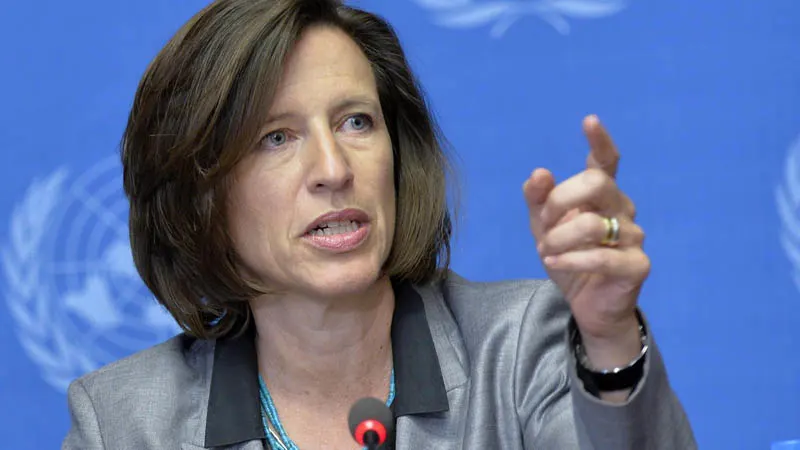
The United Nations Under-Secretary-General for Global Communications, Melissa Fleming, told the gathering that the world urgently needed an information ecosystem built on trust and that the scale of the current disinformation crisis demanded coordinated global action far beyond what any single country or institution could address in isolation.
She pointed to findings from the UN’s first Global Risk Report released in 2025, which identified misinformation and disinformation as one of the most underestimated yet rapidly escalating global threats, one already eroding public trust, destabilizing societies, and weakening democratic institutions across the world.
The newly launched institute, established under the auspices of UNESCO and described as the first of its kind globally, positions Nigeria at the forefront of international efforts to combat false information and strengthen media literacy. It will serve as a global hub for research, training, and policy engagement, bringing together educators, journalists, policymakers, and young people to advance responsible communication practices.
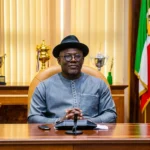
President Tinubu, represented by Secretary to the Government of the Federation Senator George Akume, described the establishment of IMILI as a historic milestone for Nigeria, Africa, and the global community, and reaffirmed the federal government’s commitment to supporting the institute through funding, institutional partnerships with the National Open University of Nigeria, and sustained collaboration with UNESCO.
UNESCO’s Assistant Director General for Communication and Information, Mariya Gabriel, revealed that while 171 countries acknowledged the importance of media literacy, only 17 had fully integrated it into national strategies, and only nine of Africa’s 54 countries had embedded such frameworks in their education systems. She cited data showing 62 percent of digital content was shared without verification and drew attention to the disproportionate online harassment faced by women and girls worldwide.