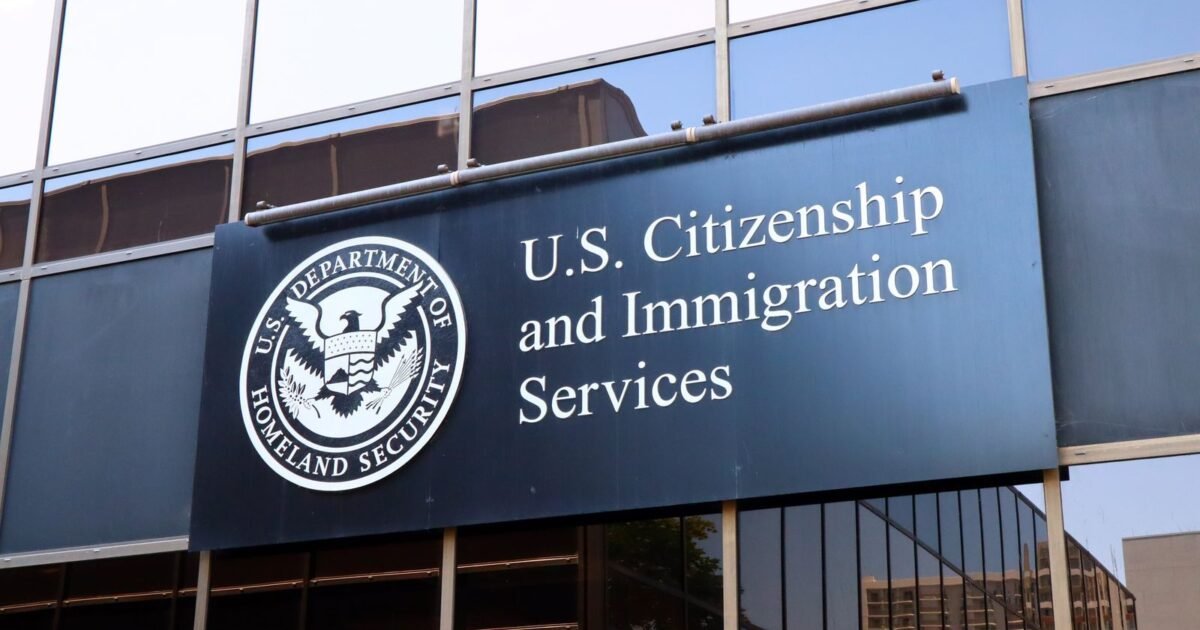
A federal judge has ordered the United States Citizenship and Immigration Services to immediately resume processing green card applications for immigrants affected by previous travel restrictions, delivering a significant legal victory for thousands of applicants whose cases had been suspended indefinitely despite their meeting all statutory eligibility requirements.
The ruling strikes at a prolonged administrative suspension that left families separated, skilled workers in professional limbo, and long-qualified applicants unable to obtain a final determination on their immigration status. The court found that the government had no lawful basis to pause the adjudication of applications simply because the applicants originated from countries previously subject to US travel restrictions, particularly where those individuals had already satisfied the legal requirements for permanent residency.
The judge was unambiguous in his assessment of the government’s conduct, ruling that immigration authorities lacked the legal authority to indefinitely suspend application reviews once statutory requirements had been met, and that administrative delay could not be used as an instrument to override existing immigration law or deny applicants their right to a timely and fair determination of their cases.
The decision was immediately welcomed by immigration advocates, who described it as a critical and overdue affirmation of due process principles within the immigration system. Many had argued for years that the prolonged suspension amounted to a de facto denial of benefits that Congress had specifically authorized, causing unnecessary hardship to individuals who had played by the rules, waited their turn, and still found themselves frozen out of the process by executive policy choices that had no grounding in the underlying statute.
Legal analysts noted that the ruling carried implications beyond the immediate class of affected applicants, potentially reshaping how federal agencies manage immigration application backlogs in cases involving policy shifts from previous administrations. By affirming the government’s obligation to process applications within a reasonable timeframe, the court sent a clear signal that executive policy preferences could not be used to circumvent established legal procedures, regardless of the political rationale offered in their justification.
For the thousands of individuals directly affected by the ruling, the decision represented a moment of genuine relief after years of uncertainty around employment authorization, international travel, and family reunification. Immigration attorneys said they expected a significant surge in case activity as USCIS worked through the accumulated backlog, and cautioned applicants to prepare their documentation and remain in contact with their legal representatives as processing resumed.
The government had not indicated at the time of the ruling whether it intended to appeal the decision or seek an emergency stay of the order, which would pause the resumption of processing while a legal challenge worked its way through the appellate courts. In the absence of such a challenge, USCIS faced a direct and immediate obligation to begin adjudicating the suspended cases, with scrutiny from both the court and advocacy organizations expected to intensify as the agency’s compliance with the order will be monitored in the weeks ahead.