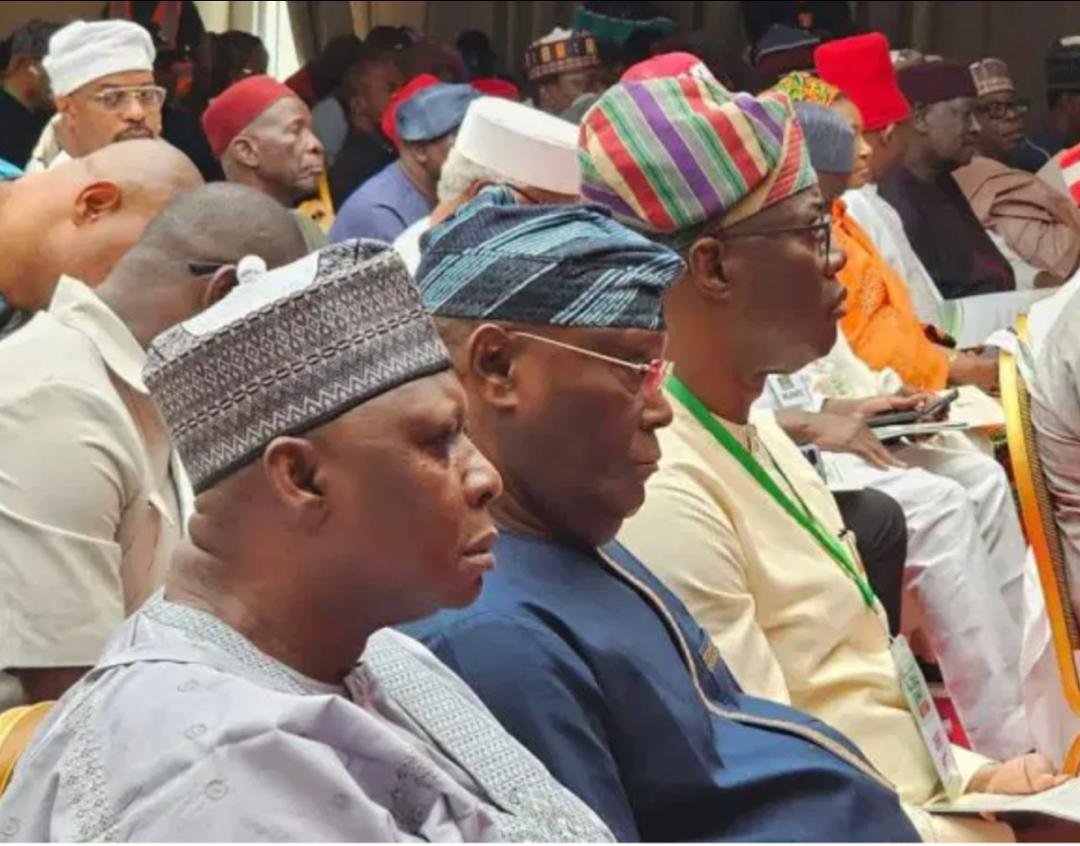
Nigeria’s opposition political landscape has entered a decisive new phase, with major parties agreeing to rally behind a single consensus presidential candidate for the 2027 general elections in a coordinated effort to unseat the ruling All Progressives Congress.
The resolution was reached at a high level national summit of opposition leaders held in Ibadan on April 25, 2026, where party chairmen and representatives signaled a rare show of unity aimed at consolidating electoral strength ahead of the next presidential contest.
Parties represented at the summit included the Peoples Democratic Party, African Democratic Congress, Peoples Redemption Party, New Nigeria Peoples Party, Labour Party, Accord Party, All Progressives Grand Alliance, alongside several other smaller parties.
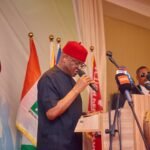
Reading from the summit’s communiqué, Taminu Turaki, a factional national chairman of the Peoples Democratic Party, described the agreement as a strategic imperative driven by national interest. He emphasized that the coalition’s objective is to present a unified front capable of addressing what participants described as deepening political and economic challenges facing the country.
According to the communiqué, the parties committed to a joint selection process that will produce a single presidential candidate with the backing of all participating groups, marking a significant departure from the fragmented opposition efforts that have characterized previous elections.
Beyond electoral strategy, the summit also delivered a sharp rebuke of the electoral umpire, the Independent National Electoral Commission. Delegates passed a vote of no confidence in its chairman, Joash Amupitan, accusing him of perceived bias in favor of the ruling party.
The communiqué warned that continued concerns over the commission’s neutrality could undermine public trust in the electoral process and heighten political tensions nationwide. It called for leadership changes within the commission, urging the appointment of what it described as a neutral and credible figure to oversee preparations for the 2027 elections.
The outcome of the summit signals a potential realignment in Nigeria’s political dynamics, setting the stage for what could become one of the most closely contested presidential elections in the country’s recent history.