
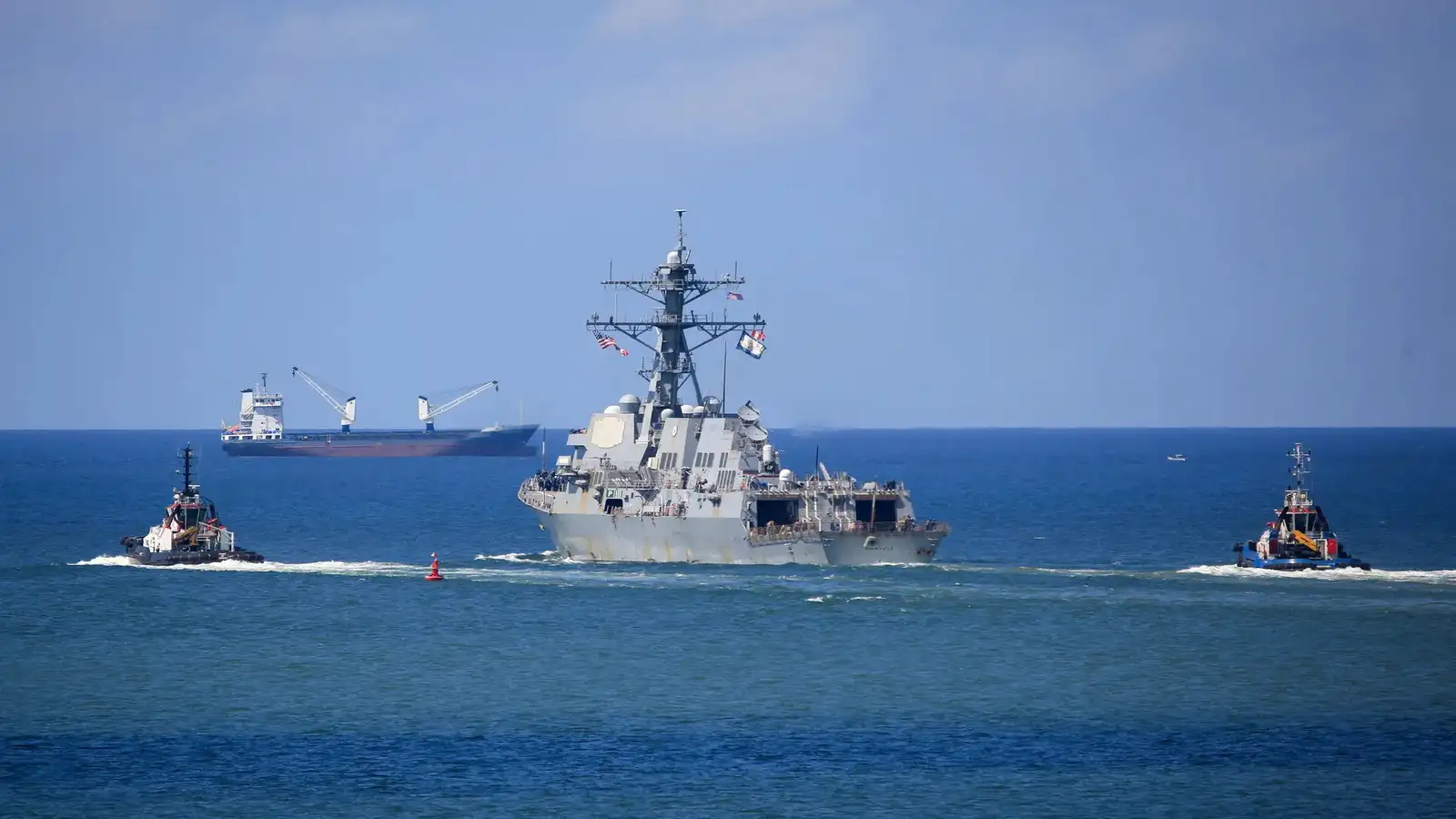
Maritime traffic through the Strait of Hormuz has dropped sharply, with only five vessels recorded transiting the critical shipping route in the past 24 hours, according to latest shipping data.
The figure marks a dramatic decline from the usual daily average of about 140 vessels, underscoring mounting fears among global shipping operators as geopolitical tensions intensify across the Gulf region.
The slowdown follows a series of security incidents, including the recent seizure of two container ships by Iran, raising concerns over potential retaliation and further disruptions along the vital corridor.
Compounding the situation, the United States has maintained sanctions and restrictions affecting Iranian port operations, adding another layer of complexity for international shipping companies navigating the region.
The Strait of Hormuz remains one of the world’s most important energy chokepoints, handling roughly one-fifth of global oil shipments. As a result, even short-term disruptions are closely watched by energy markets due to their potential to trigger supply shocks and price volatility.
Shipping firms have increasingly opted to delay voyages or reroute vessels altogether, citing heightened risks of interception, detention, or inspection. Insurance providers have also responded by raising war-risk premiums for ships entering the area, significantly increasing operating costs.
Industry analysts warn that if the decline in traffic persists, it could begin to disrupt global energy supply chains, particularly affecting crude oil and liquefied natural gas exports from Gulf producers.
Despite reassurances from some regional stakeholders, confidence in the waterway remains fragile. Many operators say they are awaiting clear diplomatic progress and stronger security guarantees before resuming normal transit operations.
Alternative shipping routes offer limited relief, as detours around the Arabian Peninsula significantly increase travel time and costs. Other smaller passages near Iran and Oman are not considered viable for large-scale commercial shipping, especially for heavily loaded supertankers.
Observers note that the latest developments highlight the continued vulnerability of the Strait of Hormuz as a global trade artery, where rising tensions can rapidly translate into major disruptions in international shipping and energy markets.