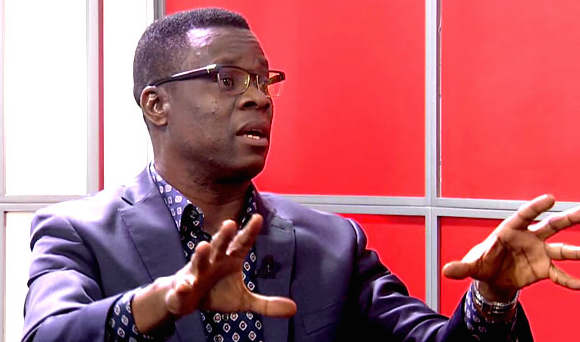
A former Resident Electoral Commissioner of the Independent National Electoral Commission, Mike Igini, has raised serious concerns about three provisions embedded in the 2026 Electoral Act, warning that they created structural vulnerabilities capable of fundamentally undermining the integrity and credibility of the 2027 general elections if left unaddressed.
Speaking on a national television programme, Igini said his concerns emerged after conducting a thorough review of the new legislation, which he undertook despite having disengaged from active electoral commentary due to personal disappointment with the direction of the country’s democratic process.
On the first provision, Igini pointed to Section 63, which he alleged allowed presiding officers to accept ballot papers that did not bear INEC’s official marks or security features, provided the officer was personally satisfied with their authenticity. He argued that this introduced dangerous subjective discretion into the verification process that could be systematically exploited.
He noted that the use of the word “satisfied” effectively revived a controversial clause that had existed in the 2010 Electoral Act before being removed following sustained public criticism. He warned that this would open the door to privately printed, unauthorized ballot papers during the 2027 elections.
“Before this election, politicians who have access to the security features of INEC’s ballot papers are going to produce and print their own ballot papers to be accepted by presiding officers. This is dangerous,” he said.
On the second provision, Igini raised concerns about Section 138, which he argued effectively shielded presiding officers, collation officers, and returning officers who violated INEC regulations from having their actions cited as valid grounds for challenging election results. He explained that since INEC’s instructions were contained in its regulations and guidelines, the provision amounted to providing blanket immunity to electoral officials who manipulated results.
On the third provision, Igini criticised Section 137, which he said removed the requirement to join electoral officers as respondents in petitions alleging misconduct, making it practically impossible to hold individual officials directly accountable for irregularities committed during elections.
“You are now saying that the people who actually create the documents through which elections are rigged do not need to be brought before the tribunal,” he said.